
ISO 13485 Medical Device Certification: What It Means for Buyers
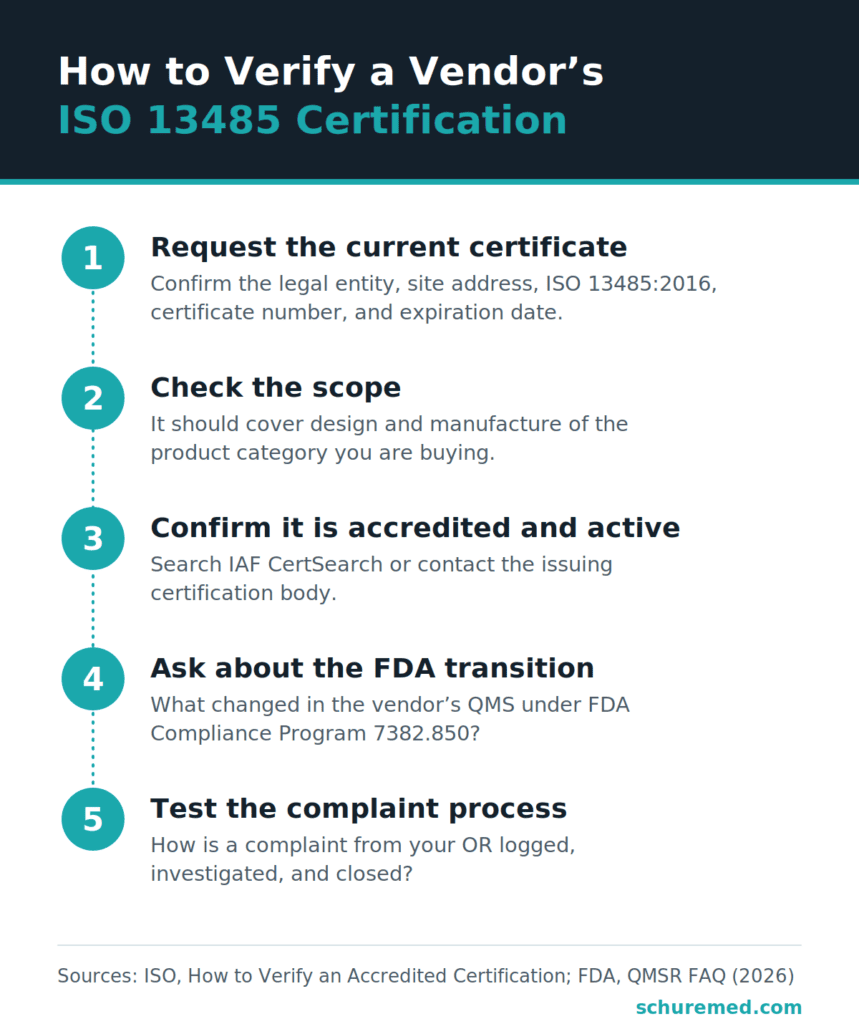
ISO 13485 is the international quality management system (QMS) standard written specifically for medical device organizations. For buyers, an ISO 13485 medical device certification means an accredited third party has audited the manufacturer’s QMS and found it able to consistently meet customer and regulatory requirements. It certifies the system behind the product, not any single […]
Jackknife Prone Position for Surgery: Uses, Risks & Equipment
The jackknife prone position for surgery, also called the Kraske position, places the patient face down with the operating table flexed at the hips so the pelvis becomes the highest point and the head and legs angle downward. Surgeons use it mainly for anorectal, perineal, and select lumbar spine procedures. Safe use depends on keeping […]
Saphenous Vein Harvest: Positioning and Equipment Considerations
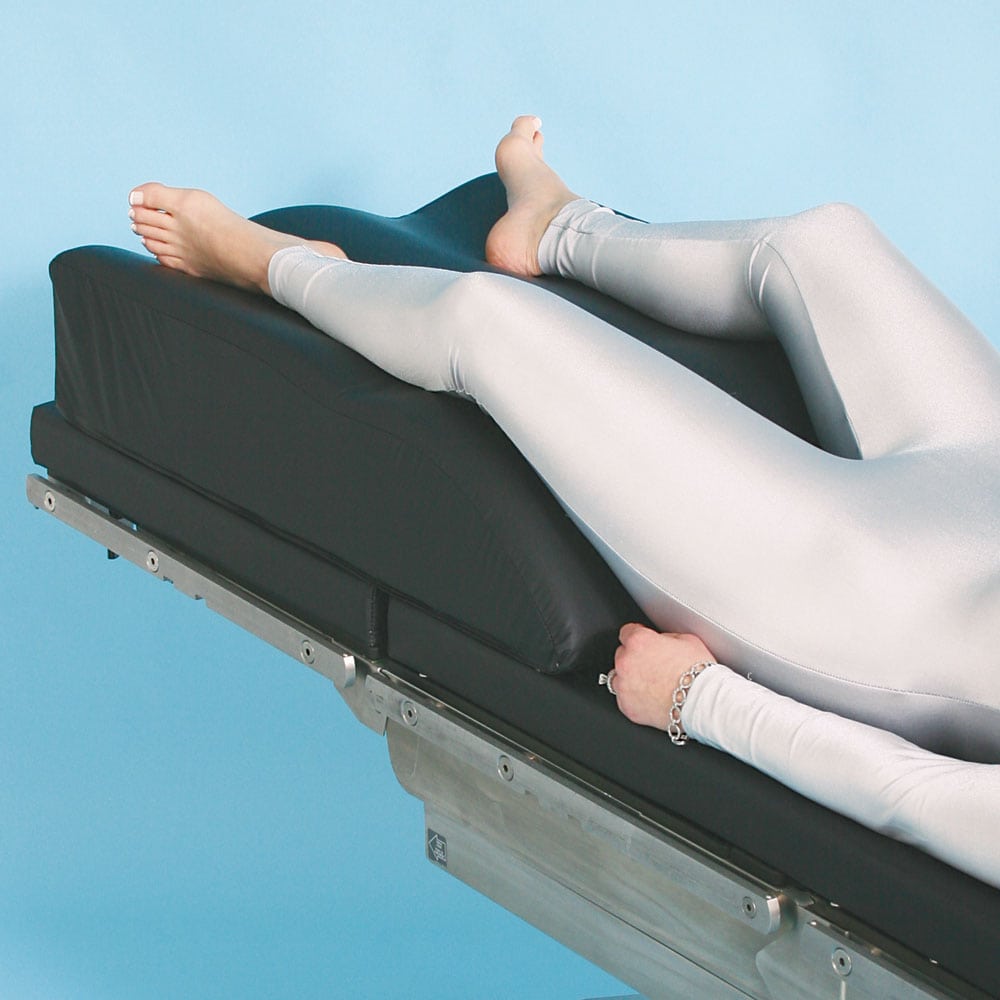
For saphenous vein harvest positioning, the patient is typically supine with the harvest leg supported in slight flexion and external rotation to provide access along the medial leg and thigh. The goal is to create a stable working position that exposes the anticipated vein path without placing unnecessary pressure on the heel, calf, knee, or […]
Understanding Uro-Trapper Systems in Urologic Surgery
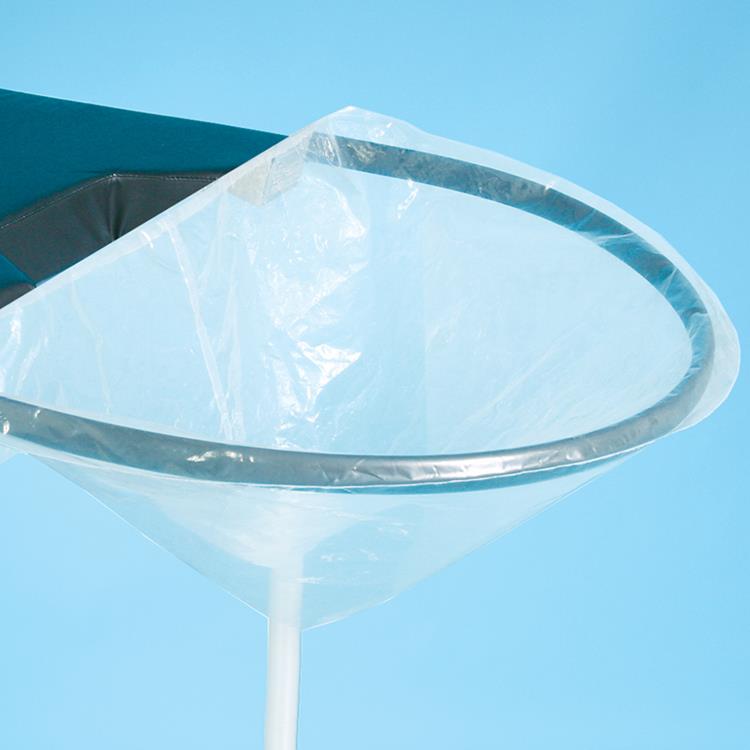
A Uro-Trapper System is used to contain, collect, and direct fluids generated during urologic and related surgical procedures while helping preserve access to the operative site. At SchureMed, our Uro-Trapper System is designed for procedures including cystoscopy, hysteroscopy, urologic surgery, and oncologic surgery. The system mounts to a general operating room table, supports a disposable […]
Surgical Table Clamps Explained: Ensuring Stability and Versatility in the OR
In a modern operating room, surgical table clamps serve as critical connection points between the operating table and the accessories used to position, support, restrain, or provide access to the patient. Although a clamp may appear to be a relatively small component, its mechanical performance can influence the stability of the entire positioning setup. At […]
De Mayo Knee Positioner Alternatives: Comparing Modern TKR Positioning Solutions
The De Mayo Knee Positioner is a familiar reference point for surgical teams evaluating positioning equipment for total knee replacement, partial knee replacement, and revision procedures. However, it is not the only option available to today’s orthopedic operating rooms. As surgical techniques, sterile processing requirements, imaging workflows, and staff expectations evolve, healthcare facilities should compare […]
Spine Surgery Positioning: Equipment, Safety, and Modern Support Systems
Spine surgery positioning equipment plays a critical role in creating the stable, protected, and accessible operative environment required for modern spinal procedures. Whether a team is preparing for a lumbar decompression, discectomy, fusion, cervical procedure, or complex reconstructive case, positioning is not simply a setup task. It is a clinical and engineering priority that influences […]
Spider Arm vs. SchureLoc XPS: Key Differences in Surgical Arm Positioning Systems
In orthopedic and arthroscopic procedures, the spider surgical arm has become a familiar term for articulated limb support systems that function as an intraoperative “third hand.” These systems are designed to hold, suspend, reposition, and stabilize the operative limb so surgeons can improve visualization, maintain access, and reduce dependence on manual limb holding during demanding […]
Beach Chair Positioning in Shoulder Surgery: Best Practices & Equipment Guide
Beach chair positioning is one of the most important setup decisions in shoulder surgery because it directly affects surgical access, visualization, patient stability, anesthesia management, and operating room efficiency. In shoulder arthroscopy, rotator cuff repair, labral repair, total shoulder arthroplasty, reverse total shoulder arthroplasty, and other upper extremity procedures, the beach chair position places the […]
Choosing the Right Surgical Armboard: Features, Compatibility, & Safety Considerations
A surgical armboard is more than an accessory attached to the operating table. It is a critical patient-positioning interface that supports the upper extremity, helps maintain access to the surgical field, and contributes to procedural efficiency, imaging clearance, and patient safety. In modern surgical environments, where teams must manage advanced imaging, complex table configurations, […]
