
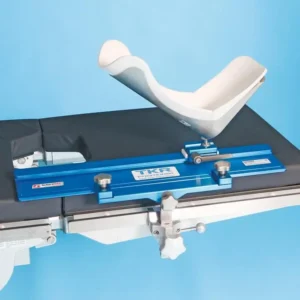
When it comes to total knee replacement surgery, precision is everything. From the first incision to final closure, every step depends on consistency, control, and visibility. At SchureMed, we have spent years working alongside surgical teams, and one thing has become incredibly clear: proper positioning is not just a setup step, it is a critical factor that influences the entire procedure. When positioning is done right, it creates a stable foundation that supports surgical accuracy, improves efficiency, and enhances patient outcomes.
On the other hand, when positioning is overlooked or rushed, even slightly, it can lead to unnecessary challenges in the operating room. Limited access, poor alignment, and constant adjustments can slow down the procedure and introduce avoidable risks. That is why we emphasize the importance of total knee replacement positioning as a cornerstone of surgical success. It sets the tone for everything that follows and plays a direct role in helping surgical teams perform at their best.
The Role of Positioning in Surgical Precision
Total knee replacement procedures require meticulous attention to detail. Surgeons must work within a confined space while maintaining clear visibility and precise alignment of the joint. Proper positioning ensures that the operative leg is stabilized and placed in a way that supports accurate bone cuts and implant placement.
From our experience, effective total knee replacement positioning helps achieve:
- Consistent joint exposure throughout the procedure
- Improved access to the surgical site
- Reduced need for intraoperative adjustments
- Greater control over limb alignment and movement
Creating a Stable Surgical Environment
Stability is one of the most important aspects of positioning. When the patient’s leg is securely supported, surgeons can focus on technique rather than compensating for movement. This level of control is essential for achieving optimal outcomes in knee replacement procedures.
How Positioning Impacts Surgical Efficiency
Time matters in every operating room, and efficiency is often the result of preparation. When positioning is done correctly at the start, it eliminates many of the small disruptions that can add up during surgery.
We often see improvements in efficiency when total knee replacement positioning is prioritized, including:
- Faster setup and transition into the procedure
- Fewer interruptions for repositioning or adjustments
- Smoother workflow for the entire surgical team
- Reduced overall procedure time
Minimizing Interruptions
Every time a team needs to pause and adjust positioning, it breaks the rhythm of the procedure. These interruptions may seem minor, but they can affect focus and extend operating time. Proper positioning from the outset helps maintain momentum.
Enhancing Patient Safety Through Proper Positioning
Patient safety is always the top priority, and positioning plays a direct role in protecting the patient throughout the procedure. Improper positioning can place unnecessary stress on joints, nerves, and soft tissues, potentially leading to complications.
By focusing on total knee replacement positioning, surgical teams can help:
- Reduce the risk of pressure-related injuries
- Maintain proper circulation in the operative leg
- Prevent strain on surrounding joints and tissues
- Support safe and controlled limb manipulation
Supporting Better Outcomes
When patients are positioned correctly, it not only helps during surgery but also contributes to better recovery. Proper alignment and reduced intraoperative stress can positively influence post-operative results.
Key Components of Effective Knee Replacement Positioning
Positioning for total knee replacement involves more than simply placing the patient on the table. It requires a coordinated approach that considers multiple factors, from limb alignment to equipment selection.
Some of the key components include:
- Secure stabilization of the operative leg
- Adjustable supports that allow controlled movement
- Proper alignment of the hip, knee, and ankle
- Reliable fixation devices to maintain positioning throughout the procedure
The Importance of the Right Equipment
Using the right positioning devices makes a significant difference. High-quality equipment designed specifically for orthopedic procedures can simplify setup and improve consistency across cases.
Common Challenges in Knee Replacement Positioning
Even experienced teams can encounter challenges when it comes to positioning. These issues often arise from equipment limitations, inconsistent processes, or time constraints.
Common challenges include:
- Difficulty maintaining consistent leg positioning
- Limited adjustability with outdated equipment
- Increased reliance on manual support from staff
- Variability in setup between different procedures
Overcoming These Challenges
Addressing these challenges starts with recognizing them. By evaluating your current setup and identifying areas for improvement, you can create a more reliable positioning process that supports your team’s needs.
How We Approach Positioning Solutions at SchureMed
At SchureMed, we design positioning devices with real-world surgical environments in mind. We understand that every operating room is different, and our goal is to provide solutions that are both adaptable and dependable.
Our approach focuses on:
- Creating devices that offer secure and stable support
- Designing adjustable systems to accommodate different patient needs
- Ensuring ease of use for faster setup and transitions
- Continuously improving products based on feedback from surgical teams
Because of this, many of our customers experience greater consistency and confidence in their positioning process.
Best Practices for Consistent Positioning
Achieving consistent results requires a combination of the right equipment and well-defined processes. Over time, we have identified several best practices that can help improve positioning outcomes.
- Standardize positioning protocols across your facility
- Use dedicated positioning devices designed for knee procedures
- Train staff on proper setup techniques
- Conduct regular equipment checks to ensure reliability
- Encourage communication among team members during setup
Building a Repeatable Process
Consistency is key in any surgical environment. When positioning becomes a repeatable process, it reduces variability and helps ensure that every procedure starts on the right footing.
The Role of Team Coordination
Positioning is not a one-person task. It requires coordination between surgeons, nurses, and surgical technologists to ensure everything is set up correctly before the procedure begins.
Strong team coordination can lead to:
- Faster and more efficient setup
- Improved communication during the procedure
- Reduced likelihood of errors or adjustments
- Greater overall confidence in the surgical process
Communication Makes the Difference
Clear communication during setup helps ensure that everyone is aligned. When the entire team understands the positioning plan, it creates a smoother and more efficient workflow.
Planning for Long-Term Success
As surgical techniques continue to evolve, so do positioning requirements. Staying ahead means being proactive about evaluating your equipment and processes.
To support long-term success:
- Regularly review positioning protocols
- Update equipment as needed to meet current standards
- Stay informed about new advancements in positioning technology
- Work with trusted partners who understand your needs
By taking a forward-thinking approach, you can maintain a high level of performance in your operating room.
Frequently Asked Questions
Why is positioning so important in total knee replacement surgery?
Positioning provides the foundation for surgical accuracy, stability, and efficiency. Without proper positioning, it becomes more difficult to achieve precise results.
What are the risks of improper positioning?
Improper positioning can lead to limited access, increased procedure time, and potential patient complications such as pressure injuries or joint strain.
How can we improve consistency in positioning?
Standardizing protocols, using reliable equipment, and training staff are key steps in improving consistency.
What type of equipment is best for knee replacement positioning?
Equipment designed specifically for orthopedic procedures, with adjustable and secure support features, tends to deliver the best results.
How does SchureMed support surgical teams?
We provide positioning devices and solutions that are designed to improve stability, efficiency, and overall workflow in the operating room.
Let’s Elevate Every Procedure with Better Positioning
When you take a step back and look at the full picture, it becomes clear that positioning is far more than a preliminary task. It is a critical component that influences every stage of total knee replacement surgery, from initial setup to final outcomes. At SchureMed, we are passionate about helping surgical teams create a more controlled, efficient, and reliable environment through thoughtfully designed positioning solutions. Our long-standing experience in the industry allows us to understand the challenges you face and provide tools that truly make a difference in your day-to-day operations.
If your team is looking to improve consistency, reduce inefficiencies, and enhance patient care through better total knee replacement positioning, we are here to help. Reach out to SchureMed to speak with our team, ask questions about your current setup, and explore solutions tailored to your operating room. We are ready to partner with you in creating a smoother, more dependable surgical experience for both your staff and your patients.
