
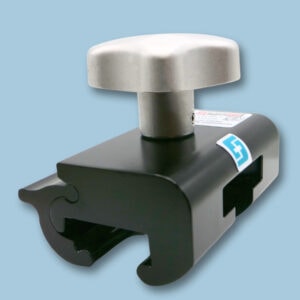
In a fast-paced operating room, there is no room for guesswork. Every movement, every piece of equipment, and every moment contributes to the overall success of a procedure. At SchureMed, we have worked closely with surgical teams for years, and one recurring issue continues to stand out more than it should: clamp mismatch caused by inconsistent rail systems. While it may seem like a small detail, it often becomes a source of frustration, inefficiency, and avoidable delays that ripple throughout the day.
We have seen how quickly a smooth setup can turn into a scramble when accessories do not fit as expected. Teams pause, swap clamps, search for alternatives, and adjust positioning, all while the clock keeps ticking. That is why we take surgical table rail compatibility seriously. It is not just about equipment fitting together, it is about creating a dependable environment where surgical teams can operate with confidence and consistency from start to finish.
Why Rail Compatibility Deserves More Attention
It is easy to assume that most surgical table rails and clamps are interchangeable. After all, many systems are marketed as “standard.” However, even small variations in dimensions or manufacturing tolerances can lead to noticeable issues when it comes time to secure positioning devices.
From our experience, these inconsistencies can lead to:
- Delays during setup as staff locate alternative clamps
- Reduced confidence in equipment stability
- Increased pressure on surgical teams to stay on schedule
- Potential safety concerns when positioning devices are not fully secure
Because of this, surgical table rail compatibility plays a much larger role than many facilities initially realize. When compatibility is dialed in, everything else becomes easier. When it is not, even the most experienced teams can find themselves troubleshooting instead of preparing.
Where Clamp Mismatch Typically Begins
Clamp mismatch does not usually happen because of one major oversight. Instead, it tends to develop over time as equipment evolves and inventories grow. Many operating rooms rely on a mix of legacy tools and newer accessories, often from different manufacturers.
Here are some of the most common causes we encounter:
- Combining accessories from multiple vendors without verifying fit
- Holding onto older clamps that no longer match updated rail systems
- Assuming all rails labeled “standard” share identical specifications
- Limited organization in storage areas, making it harder to match components
Why Small Variations Matter
Even slight differences in rail thickness or width can affect how a clamp grips. A clamp that feels secure at first may loosen under load, especially during longer procedures. These subtle mismatches are not always obvious until they create a problem, which is why proactive planning is essential.
The Hidden Cost of Setup Delays
When people think about operating room delays, they often picture major disruptions. In reality, it is the small, repeated inefficiencies that create the biggest impact over time. A clamp that does not fit properly might only delay setup by a few minutes, but those minutes add up quickly across multiple procedures.
From our perspective, the consequences go beyond scheduling:
- Staff may feel rushed, increasing the likelihood of errors
- Surgeons may need to adjust positioning mid-procedure
- Turnover times between cases become less predictable
- Overall workflow efficiency begins to decline
By prioritizing surgical table rail compatibility, you eliminate one of the most common contributors to these incremental slowdowns.
What to Look for in a Reliable Rail System
Not all rail systems and clamps are created with the same level of precision or adaptability. At SchureMed, we focus on designing products that work seamlessly across a range of environments, reducing the likelihood of mismatch in the first place.
When evaluating your setup, consider whether your equipment offers:
- Consistent rail sizing across all tables in your facility
- Clamps designed to accommodate slight dimensional variations
- Strong, durable materials that maintain performance over time
- Easy-to-use locking mechanisms for faster setup
- Clear labeling to simplify identification
The Value of Versatility
A versatile clamp system can make a noticeable difference in daily operations. Instead of worrying about whether a specific accessory will fit, your team can move forward with confidence, knowing that compatibility has already been addressed.
How We Approach Compatibility at SchureMed
We understand that operating rooms are dynamic environments with constantly changing needs. That is why we design our products with flexibility and reliability in mind. Our goal is to eliminate uncertainty so your team can focus on patient care rather than equipment challenges.
Our approach includes:
- Engineering clamps that securely fit a range of standard rail sizes
- Testing products in real-world clinical settings
- Providing clear compatibility guidance for each accessory
- Continuously refining designs based on feedback from surgical professionals
Because of this, many of our customers experience fewer disruptions and smoother workflows after integrating our solutions.
Practical Steps to Prevent Clamp Mismatch
While having the right equipment is critical, your processes also play a key role in maintaining efficiency. Over time, we have identified several practical steps that can help reduce compatibility issues in the OR.
- Standardize equipment whenever possible to minimize variability
- Perform routine audits of clamps and accessories
- Replace worn or outdated components before they fail
- Organize storage areas so matching items are easy to find
- Train staff to quickly identify compatible equipment
Creating a More Predictable Setup Process
When these practices are in place, your team spends less time troubleshooting and more time preparing for procedures. That predictability helps reduce stress and keeps your schedule on track.
The Importance of Staff Training
Even the best equipment cannot prevent delays if it is not used correctly. Training ensures that every team member understands how to identify and use compatible components efficiently.
We often recommend:
- Incorporating compatibility checks into standard setup routines
- Providing quick-reference materials for commonly used accessories
- Encouraging open communication when issues arise
- Offering refresher training as new equipment is introduced
A well-informed team is one of the most effective ways to maintain consistency in the operating room.
Planning Ahead for Equipment Changes
As your facility grows and evolves, so will your equipment needs. New surgical techniques and technologies often require updated positioning devices, which can introduce compatibility challenges if not carefully managed.
To stay ahead of potential issues:
- Evaluate compatibility before purchasing new accessories
- Consult with manufacturers about integration with existing systems
- Keep detailed records of equipment specifications
- Choose solutions that are designed with scalability in mind
By planning ahead, you can maintain a cohesive system that supports your team now and in the future.
Frequently Asked Questions
What is the typical size of a surgical table rail?
Most surgical table rails follow a standard size of about 1.25 inches by 0.375 inches, but slight variations can still occur depending on the manufacturer.
Why do some clamps feel secure but still shift?
This often comes down to a subtle mismatch in dimensions. Even a small difference can reduce grip strength under pressure.
How can we improve organization for better compatibility?
Clear labeling, structured storage systems, and staff training can make a significant difference in quickly identifying the right equipment.
When should clamps be replaced?
If clamps show signs of wear, reduced grip, or frequent mismatch issues, it is time to upgrade to more reliable options.
How does SchureMed help with compatibility challenges?
We design and manufacture positioning devices and clamps that are built to work across a range of standard rail systems, helping reduce uncertainty during setup.
Let’s Eliminate Setup Friction and Keep Your OR Moving
When everything in your operating room works together seamlessly, it shows in your efficiency, your team’s confidence, and ultimately in patient outcomes. Rail compatibility may not always be the first thing people think about, but its impact is undeniable once you take a closer look. At SchureMed, we are committed to helping surgical teams remove these everyday obstacles with thoughtfully designed positioning solutions that prioritize reliability and ease of use. Our decades of experience in the industry have shaped products that support consistency where it matters most.
If your team has been dealing with clamp mismatches, inconsistent setups, or unexplained delays, now is the time to address the root of the issue. Connect directly with SchureMed to discuss your current setup, explore compatible solutions, and get expert guidance tailored to your operating room’s needs. Our team is ready to help you create a smoother, more dependable workflow that supports your staff and enhances patient care.
