
Surgical Procedure Tables
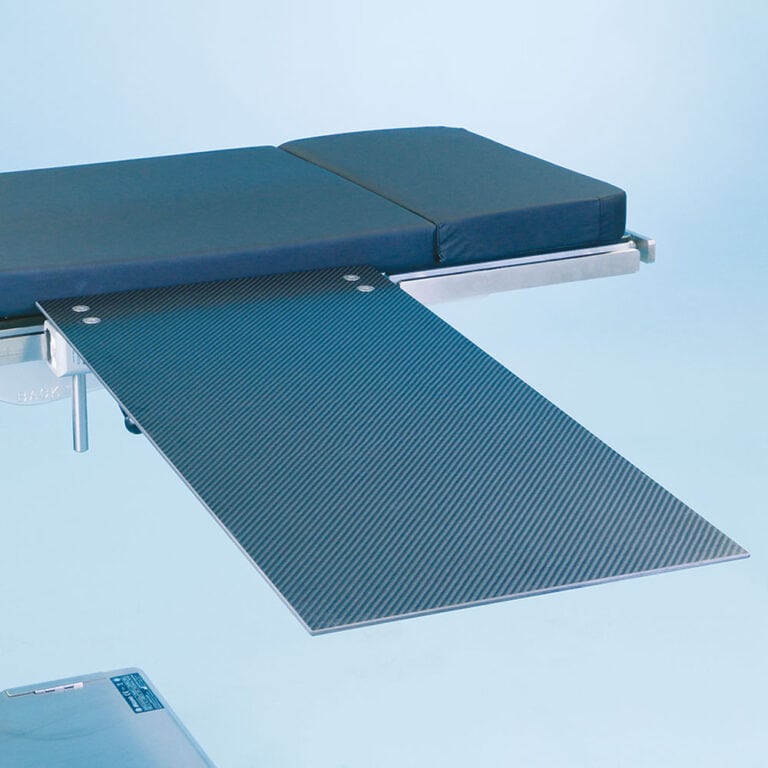
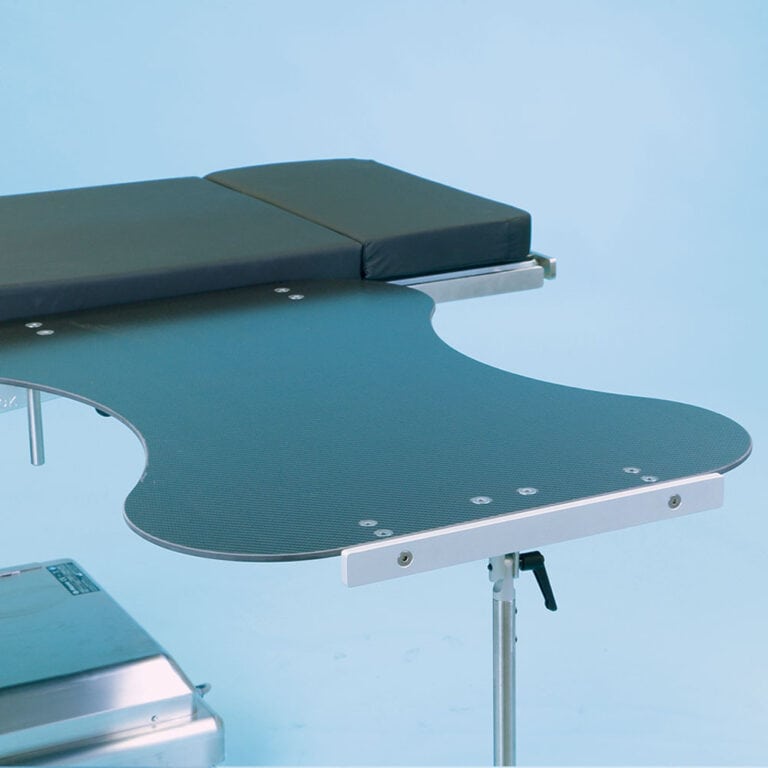
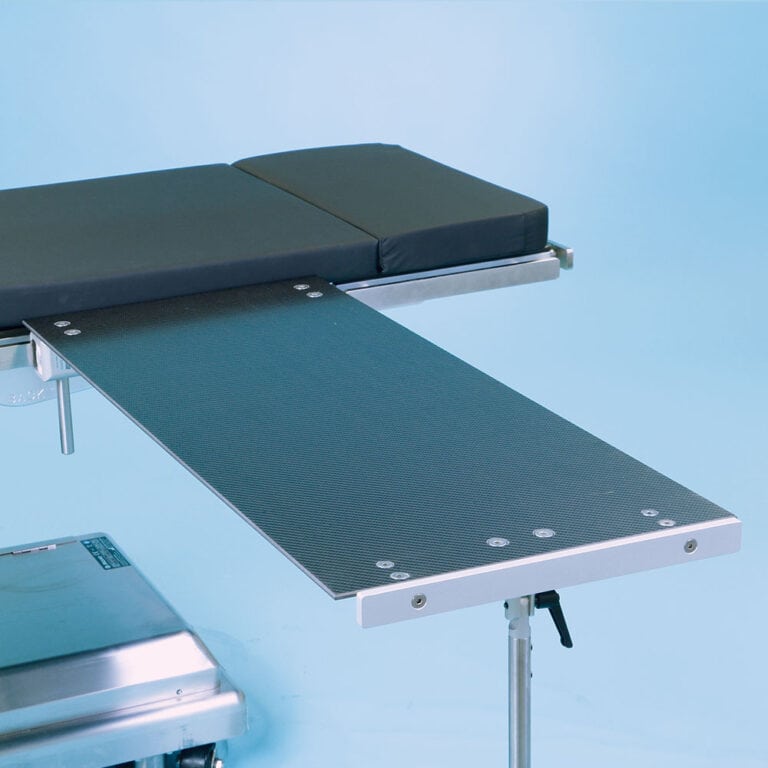
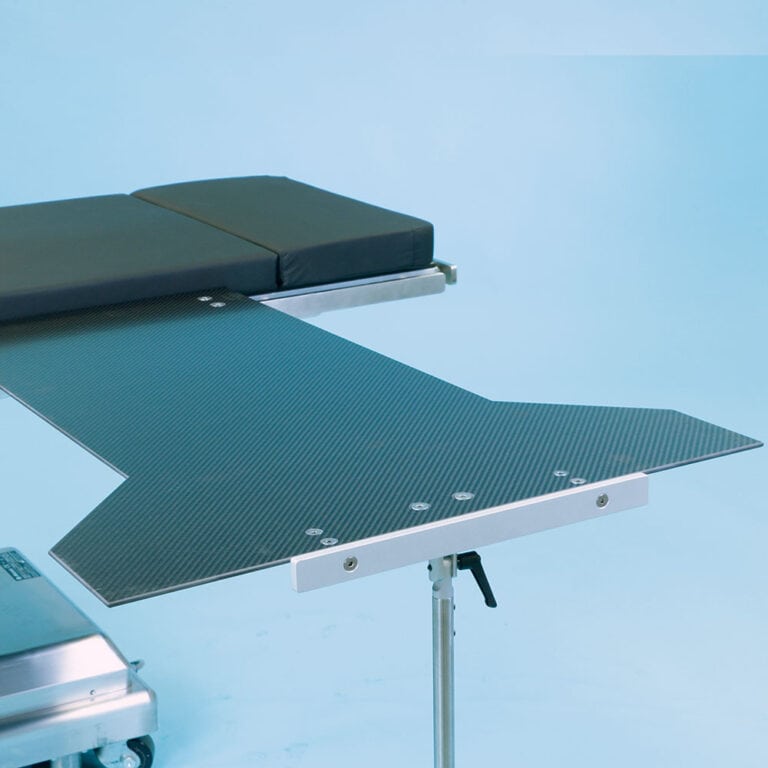
In the realm of modern surgical support systems, precision, workflow optimization, and ergonomic design are fundamental. Surgical procedure tables are engineered to deliver maximum patient access, institutional safety, and adaptability across a spectrum of clinical procedures. Whether for minimally invasive work or major operative cases, each table must meet rigorous standards, motorized adjustments, radiolucent surfaces, integrated accessory ports, compatibility with imaging modalities, and load capacities that maintain stability under diverse operative stress.
Minor Procedure Table
The Minor Procedure Table is designed for ambulatory surgical centers, outpatient clinics, or minor operative procedures in hospitals. It offers streamlined functionality with a compact footprint, rapid adjustability, and simplified control systems. Typical features include:
- Lightweight tabletop materials with antimicrobial, radiolucent surfaces for imaging and sterility.
- Manual or semi-motorized tilt and height adjustments to facilitate precise positioning in confined spaces.
- Modular attachments for trays, arm boards, and mayo stands.
- Load ratings suited for lighter patients and shorter duration procedures, yet maintaining rigidity to support fine instruments and optics.
In procedures such as dermatological excisions, small soft tissue repairs, minor orthopedic debridements, and endoscopies, the Minor Procedure Table delivers high-tech flexibility without the bulk of full major tables. It enables efficiency, rapid turnover, and ease of cleaning and maintenance.
Hourglass Procedure Table
The Hourglass Procedure Table occupies a specialized niche. Its hourglass-shaped tabletop offers enhanced access around the patient’s midsection, allowing surgeons to work from multiple angles simultaneously. Key characteristics include:
- Contoured cutouts or narrowing in the torso region to allow surgeons, assistants, or equipment to interface from both sides without sacrificing support.
- Superior radiolucency in critical zones to permit unobstructed imaging (e.g., C-arms) during intraoperative fluoroscopy.
- Motorized articulation in multiple segments, head/neck, midsection, and leg, so that the torso region can be flexed or adjusted without compromising ergonomic alignment.
- Load capacity designed to support moderate to heavy patients, with enhanced stability at the narrowed waist zone to prevent flex, wobble, or oscillation.
Hourglass tables are ideal for spinal surgery, complex interventional radiology, or trauma cases where access around the patient is as critical as access to the operative site. They represent advanced engineering in balancing structural integrity, imaging compatibility, and anatomical access.
Major Procedure Table
The Major Procedure Table is built for the most demanding surgical environments, including major thoracic, abdominal, neuro, vascular, and combined-modality operations. Its features are elite, engineered to handle high complexity:
- Fully motorized height, tilt (trendelenburg / reverse), lateral tilt, and section articulation (back, leg, head) with programmable presets for consistency and speed.
- Robust load ratings that accommodate large patients, additional sterile equipment, retractors, and integrated imaging devices.
- Broad radiolucent panels, removable inserts, and accessory rails to support imaging and surgical adjuncts.
- Ultra-stable base design to minimize vibration, flex, or drift during prolonged use.
Such tables support long-duration operations, heavy instrumentation, docking of robotics, or imaging-guided surgery. They are designed to operate seamlessly with other high-tech OR systems while maintaining rigorous safety margins.
End Rest Procedure Table
The End Rest Procedure Table is a specialized configuration focusing on patient stabilization and precision at table termini (e.g., foot or head ends). Key features include:
- End rest components that secure or immobilize extremities, useful in orthopedic, podiatric, or neurosurgical procedures where movement at an extremity could compromise outcome.
- Modular or detachable end rests, boots, stirrups, or head clamps, engineered for rapid swapping without compromising sterile field.
- Compatibility with major or hourglass table platforms can often be retrofitted or integrated to broaden the functional utility of primary tables.
- Materials and padding designed to reduce pressure injury risk, maintain alignment, and allow for quick release in emergency access.
End Rest tables are indispensable when fine control over limb or head positioning is needed, microvascular surgery, foot/ankle reconstruction, or cranial procedures. They enhance stability and precision at critical anatomical ends.
