
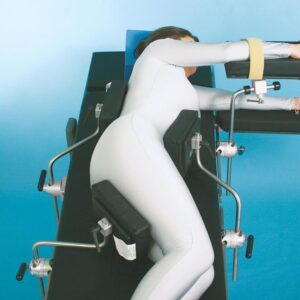
In the operating room, precision is not limited to the procedure itself. Every detail, including patient positioning, plays a critical role in both surgical success and patient safety. One of the most commonly overlooked risks during surgery involves improper arm positioning, specifically excessive arm abduction. While it may seem like a minor setup detail, incorrect positioning can lead to serious complications, including nerve damage, circulatory issues, and long-term functional impairment.
At SchureMed, we focus on the details that support safer, more efficient procedures. Proper use of surgical armboards is one of those details that can make a measurable difference. When set up correctly, armboards help maintain safe abduction angles, support the patient’s anatomy, and reduce the risk of preventable injuries. Let’s take a closer look at why arm abduction limits matter and how the right setup can protect both patients and surgical teams.
Understanding Arm Abduction in the Operating Room
Arm abduction refers to the movement of the arm away from the body. In surgical settings, this positioning is often necessary to provide access for anesthesia administration, monitoring, or the surgical field itself.
However, there is a critical threshold that must not be exceeded. In most cases, arm abduction should be limited to no more than 90 degrees. Beyond this point, the risk of stretching or compressing nerves, particularly the brachial plexus, increases significantly.
When proper limits are not maintained, complications can include:
- Brachial plexus injury
- Reduced blood flow to the arm
- Postoperative numbness or weakness
- Long-term nerve damage
These risks highlight why careful positioning is not optional. It is essential.
Why Proper Armboard Setup Matters
Surgical armboards are designed to support the patient’s arms in a stable and anatomically safe position throughout the procedure. However, simply having the equipment is not enough. The way it is used determines its effectiveness.
Maintaining Safe Abduction Angles
One of the primary roles of surgical armboards is to help maintain appropriate arm positioning. When properly adjusted, they prevent the arm from drifting beyond safe limits during surgery.
This ensures:
- Consistent alignment throughout the procedure
- Reduced risk of overextension
- Greater control for the surgical team
Without a properly configured armboard, even small shifts in positioning can lead to unintended strain on nerves and soft tissues.
Supporting Natural Anatomy
The human body is not designed to remain in unnatural positions for extended periods. Proper armboard setup takes this into account by supporting the arm in a way that aligns with the patient’s natural anatomy.
This includes:
- Proper padding to reduce pressure points
- Neutral positioning of the wrist and elbow
- Alignment that minimizes tension on the shoulder joint
These factors work together to create a safer and more comfortable positioning environment.
Common Risks of Improper Arm Positioning
When arm positioning is not carefully managed, the consequences can extend beyond the operating room.
Nerve Compression and Injury
Excessive abduction or improper support can place stress on the brachial plexus, leading to nerve injuries that may present as:
- Tingling or numbness
- Muscle weakness
- Loss of function in the affected arm
These complications can be temporary or, in severe cases, permanent.
Circulatory Complications
Improper positioning can also restrict blood flow, increasing the risk of complications such as:
- Ischemia
- Swelling or edema
- Delayed recovery
Maintaining proper alignment and support helps ensure healthy circulation throughout the procedure.
Increased Pressure Points
Without adequate padding and positioning, pressure can build up in specific areas, leading to tissue damage or discomfort after surgery.
Surgical armboards with proper cushioning help distribute pressure evenly, reducing these risks.
Best Practices for Armboard Setup in the OR
Achieving safe and effective arm positioning requires attention to detail and adherence to established guidelines.
Keep Abduction Within Safe Limits
The most important rule is to avoid exceeding 90 degrees of arm abduction. This simple guideline significantly reduces the risk of nerve injury.
Use Proper Padding and Support
Padding is not just for comfort. It is essential for protecting nerves and soft tissues.
Ensure that:
- Elbows are well-supported
- Wrists are positioned neutrally
- Pressure points are minimized
Secure but Do Not Constrict
The arm should be secured to prevent movement, but not so tightly that circulation is compromised.
This balance helps maintain stability without introducing new risks.
Monitor Positioning Throughout the Procedure
Even with proper setup, it is important to periodically check positioning during longer procedures.
This allows for:
- Early detection of any shifts
- Adjustments to maintain alignment
- Ongoing protection for the patient
How Surgical Armboards Enhance Workflow
In addition to improving patient safety, well-designed surgical armboards contribute to a more efficient operating room environment.
Stability Reduces Interruptions
When the patient’s arms are securely positioned, there is less need for adjustments during the procedure.
This leads to:
- Fewer disruptions
- Improved focus for the surgical team
- Smoother workflow overall
Consistency Across Procedures
Using reliable positioning equipment ensures consistency from one procedure to the next.
This consistency supports:
- Standardized practices
- Better team coordination
- More predictable outcomes
Choosing the Right Armboard System
Not all armboards are created equal. The quality and design of the equipment play a significant role in its effectiveness.
Features to Look For
When selecting surgical armboards, consider:
- Adjustability for different patient sizes and procedures
- Durable materials that withstand repeated use
- Easy integration with existing OR tables
- High-quality padding for patient protection
Designed for Real-World Use
At SchureMed, we design our positioning solutions with real surgical environments in mind. Our armboards are built to provide the flexibility, stability, and reliability that surgical teams depend on every day.
Frequently Asked Questions
What is the safe limit for arm abduction during surgery?
Arm abduction should generally not exceed 90 degrees to reduce the risk of nerve injury.
Why are surgical armboards important?
They provide support, maintain proper positioning, and help prevent complications related to nerve compression and poor circulation.
Can improper arm positioning cause permanent damage?
In some cases, yes. Severe nerve injuries can lead to long-term or permanent complications.
How often should positioning be checked during surgery?
Positioning should be monitored regularly, especially during longer procedures, to ensure alignment is maintained.
Are all armboards the same?
No, quality and design vary. Choosing a well-designed system can significantly impact safety and efficiency.
Supporting Safer Outcomes Through Better Positioning
In the operating room, even the smallest details can have a lasting impact. Arm positioning is one of those details that often goes unnoticed when done correctly, yet can lead to serious complications when overlooked. By maintaining proper abduction limits and using high-quality surgical armboards, surgical teams can significantly reduce the risk of nerve injuries, improve patient comfort, and create a more controlled environment for every procedure.
At SchureMed, we are dedicated to advancing surgical positioning through thoughtful design and innovation. Our solutions are developed with direct input from healthcare professionals, ensuring they meet the real demands of today’s operating rooms. From stability and adjustability to patient protection, every feature is designed to support better outcomes.
