
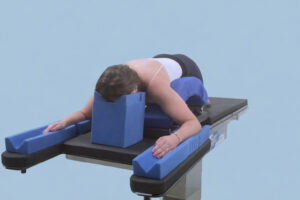
The right surgical positioning device for spine surgery stabilizes the patient, protects vulnerable anatomy, and preserves imaging access throughout the procedure. Proper positioning improves surgical exposure, reduces complication risk, and supports efficient workflow in the operating room. When selecting a system, surgeons and surgical teams should prioritize stability, radiolucency, patient protection, and compatibility with existing OR equipment.
- Match the positioning system to the specific spine procedure.
- Ensure stable rail fixation and adequate patient load capacity.
- Preserve clear imaging for fluoroscopy, CT, or navigation.
- Protect neurovascular structures during prolonged cases.
- Choose modular systems that integrate with existing OR tables.
What Is a Surgical Positioning Device for Spine Surgery?
A surgical positioning device for spine surgery is a specialized support system used to safely maintain patient alignment during spinal procedures. These devices may include frames, clamps, armboards, braces, padding systems, and table extensions designed to stabilize the patient while allowing surgeons clear access to the operative site.
Effective positioning devices provide stability, protect sensitive anatomical structures, and allow unobstructed imaging access during surgery.
Why Positioning Is Critical in Spine Surgery
Spine procedures often require precise alignment and stable patient positioning. Small changes in patient movement or positioning can affect exposure, imaging accuracy, and neurologic safety.
Improper positioning can increase the risk of:
- Peripheral nerve injuries
- Compartment syndrome
- Ocular complications in long prone procedures
- Pressure injuries
- Poor fluoroscopic visualization
- Delays caused by intraoperative repositioning
A well-designed positioning system helps maintain stability while allowing the surgical team to work efficiently.
Start With the Surgical Procedure
The best positioning device depends on the type of spine surgery being performed. Different procedures require different positioning configurations.
Common surgical approaches include
- Posterior prone procedures
- Anterior cervical approaches
- Lateral decubitus positioning for lateral interbody fusion
- Combined anterior and posterior procedures
Additional factors that influence device selection include:
- Imaging systems such as C-arm fluoroscopy or intraoperative CT
- Case duration and pressure management needs
- Surgeon positioning preferences
- Navigation or robotic system compatibility
Positioning equipment should align with these procedural requirements rather than forcing surgical teams to adapt their workflow.
Key Factors When Evaluating Spine Positioning Devices
1. Stability and Load Capacity
Spine procedures place significant mechanical forces on positioning equipment through traction, instrumentation, and retraction.
When evaluating stability, consider:
- Patient weight capacity
- Strength of rail clamps and fixation systems
- Joint rigidity and locking precision
- Resistance to rotation or drift
Secure attachment to the operating table is essential. Systems such as OR table clamps help ensure accessories remain stable during complex procedures.
High-capacity mounting solutions like the Schure Socket XL provide strong rail fixation and support heavier patient loads while maintaining stable positioning.
2. Radiolucency and Imaging Access
Many spine procedures rely on real-time imaging. Positioning systems must allow unobstructed access for fluoroscopy, CT imaging, or robotic navigation.
Look for positioning components that:
- Use radiolucent support materials
- Avoid metal structures in imaging zones
- Allow full C-arm or O-arm movement
- Provide clearance for navigation equipment
Accessories like a radiolucent armboard can improve imaging visibility while maintaining patient support.
3. Pressure Protection and Patient Safety
Spine surgery frequently involves prolonged prone positioning. Proper pressure management helps reduce postoperative complications.
Important design features include:
- High-density foam padding
- Adjustable chest and pelvic supports
- Abdominal free space to reduce venous pressure
- Head positioning systems that protect the eyes
- Lateral braces that distribute load evenly
These features help minimize the risk of nerve compression and pressure injuries during long procedures.
4. Modularity and Adjustability
Spine surgery often requires intraoperative adjustments. Positioning systems should allow surgeons to modify patient alignment without disrupting the sterile field.
Look for systems that provide:
- Multi-axis adjustment
- Tool-free locking mechanisms
- Independent joint articulation
- Fast repositioning capabilities
Modular positioning devices allow operating rooms to adapt setups for different procedures and patient anatomies.
5. Compatibility With Operating Room Equipment
Positioning systems should integrate easily with the equipment already used in the operating room.
Key compatibility considerations include:
- Standard surgical table rail dimensions
- Interaction with anesthesia equipment
- Clearance for neuromonitoring cables
- Storage footprint between procedures
Universal systems such as the INFINITY Clamp can help facilities standardize positioning accessories across multiple operating tables.
6. Durability and Sterilization
Surgical positioning devices undergo frequent cleaning and sterilization. Durable construction ensures long-term reliability.
Important material characteristics include:
- Corrosion-resistant stainless steel
- Anodized aluminum components
- Radiolucent composite materials
- Autoclave compatibility
Durable equipment maintains mechanical precision and reduces replacement costs over time.
Checklist for Evaluating Spine Positioning Systems
When comparing spine positioning devices, use a structured evaluation process.
- Does the device support your most common spine procedures?
- Is the load capacity appropriate for your patient population?
- Does the system provide secure rail fixation?
- Will it maintain clear imaging access?
- Does it provide adequate pressure protection?
- Is it modular and adjustable during surgery?
- Is it compatible with existing OR tables and infrastructure?
- Are the materials durable and sterilization resistant?
- Can the system be expanded or customized as your program grows?
Real-World Considerations From Operating Room Experience
In practice, positioning challenges are rarely caused by major equipment failures. More often they involve small workflow issues such as clamps that shift during imaging, supports that obstruct fluoroscopy, or positioning setups that take too long to assemble.
Experienced surgical teams often prioritize equipment that is intuitive, quick to set up, and consistent between procedures. Reliable positioning systems reduce setup time, improve surgeon access, and help maintain efficiency during long spine operations.
When Custom Positioning Solutions May Be Needed
Some spine programs require positioning equipment beyond standard catalog products. Custom solutions may be useful for:
- Pediatric spine surgery
- Complex spinal deformity procedures
- Hybrid robotic or navigation-assisted surgery
- Specialized traction or stabilization requirements
Facilities exploring custom solutions may benefit from consulting manufacturers that offer bespoke surgical device design and engineering collaboration.
Frequently Asked Questions
What is the most important factor when choosing a spine positioning device?
The most important factor is whether the device supports the specific spine procedures being performed. Stability, imaging access, patient protection, and compatibility with existing operating room tables should all align with the surgical workflow.
Why is radiolucency important in spine surgery positioning?
Radiolucent positioning equipment allows surgeons to obtain clear fluoroscopic or CT images during surgery. If positioning components block imaging zones, it may require repositioning the patient or interrupting the procedure.
How do positioning devices reduce surgical complications?
Proper positioning devices distribute pressure evenly, maintain patient alignment, and protect nerves and soft tissue. This reduces the risk of nerve compression, pressure injuries, and other complications associated with long procedures.
Should hospitals choose modular positioning systems?
Modular positioning systems allow operating rooms to adapt equipment for multiple spine procedures. Adjustable components help accommodate different patient anatomies and surgical techniques.
When should a hospital consider custom spine positioning equipment?
Custom equipment may be appropriate when standard positioning devices cannot support complex procedures, pediatric cases, or specialized imaging setups required by advanced spine programs.
Bottom Line
The right surgical positioning device for spine surgery provides stable patient support, protects sensitive anatomy, and allows unobstructed imaging throughout the procedure. Systems that combine strong fixation, radiolucent design, modular adjustment, and compatibility with existing operating room infrastructure help surgical teams operate more efficiently and safely.
For spine programs evaluating advanced positioning solutions, devices such as the Schure Spine Frame demonstrate how specialized positioning equipment can improve surgical access, patient protection, and procedural consistency.
